

From Corporate Galas to Cultural Festivals
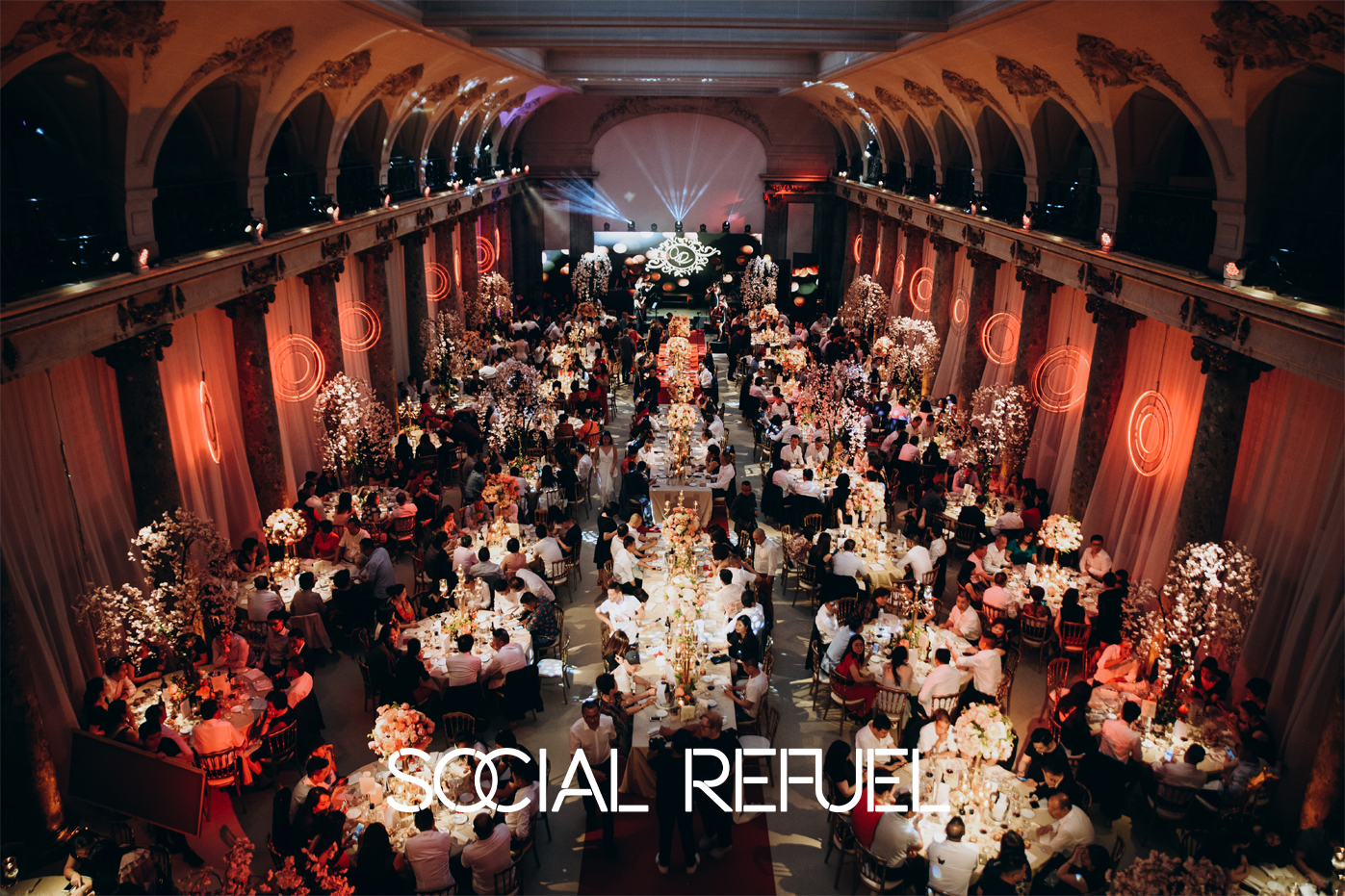
A Look at Event Types
Events are a ubiquitous part of our lives, transcending geographical, cultural, and socio-economic boundaries. From intimate gatherings to grand spectacles, events bring people together, foster connections, and create lasting memories. But what exactly constitutes an event, and how do they vary in purpose, scope, and impact?
Defining Events
An event is a planned and organized occurrence that takes place at a specific time and location, involving a group of people with a shared purpose or interest. Events can be categorized into seven primary types, each with its unique characteristics, objectives, and outcomes.
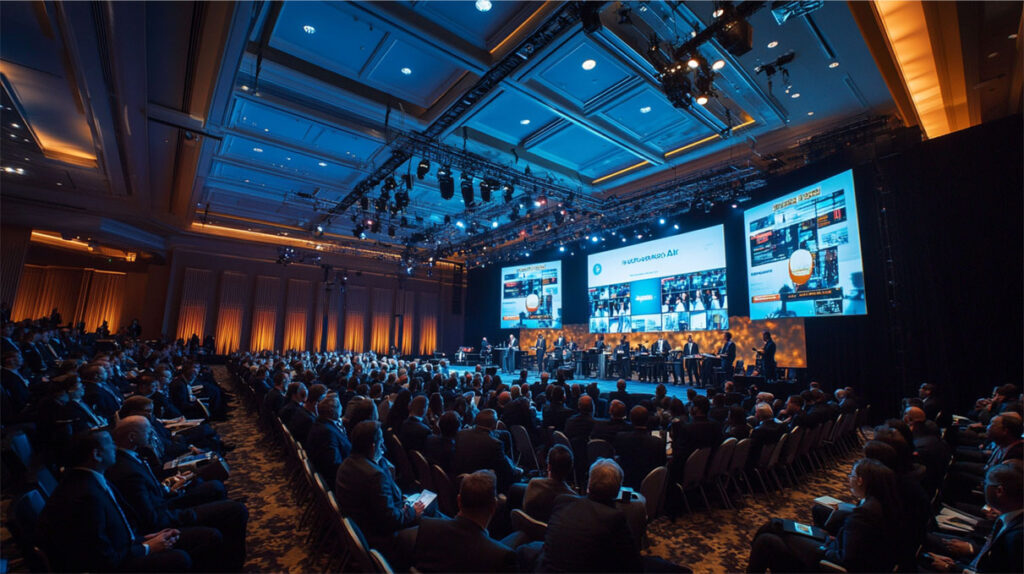
1. Corporate Events: The Business of Networking
Corporate events are designed to achieve specific business objectives, such as:
- Building brand awareness
- Launching new products or services
- Fostering networking opportunities
- Enhancing employee engagement and team-building
These events include conferences, seminars, workshops, product launches, and team-building activities.
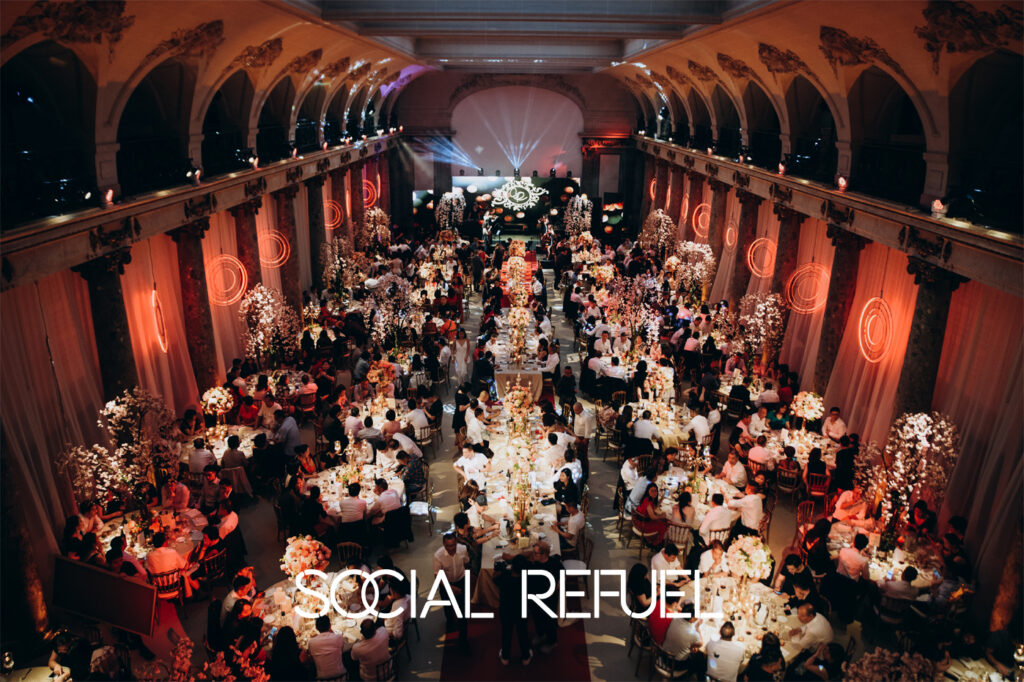
2. Social Events: Celebrating Life’s Milestones
Social events bring people together to celebrate personal milestones, such as:
- Weddings
- Birthday parties
- Anniversaries
- Galas
- Fundraising events
These events foster social connections, strengthen relationships, and create lasting memories.
3. Cultural Events: Showcasing Diversity and Creativity
Cultural events celebrate and showcase art, music, theater, and heritage, promoting:
- Cultural exchange and understanding
- Diversity and inclusivity
- Creativity and innovation
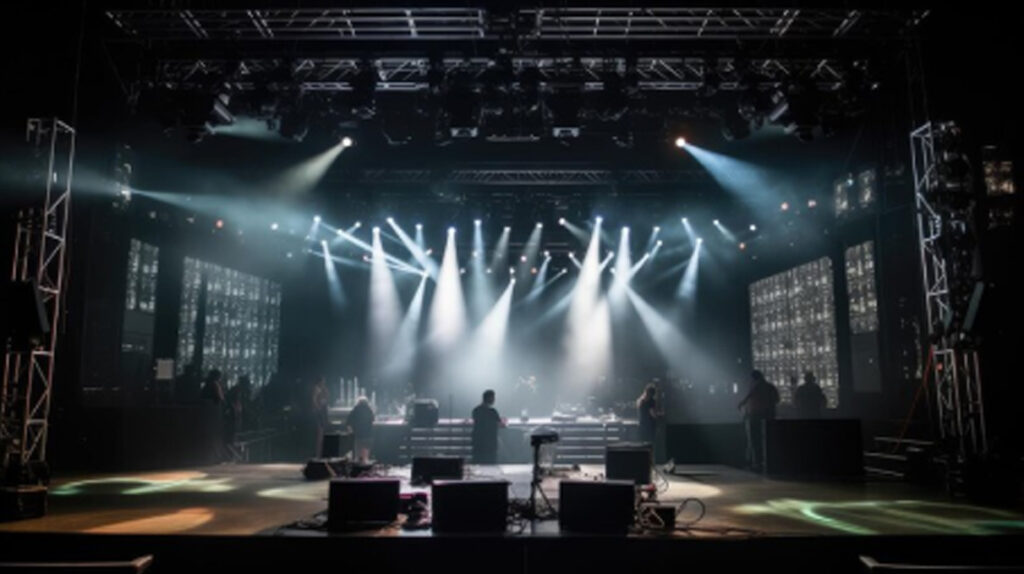
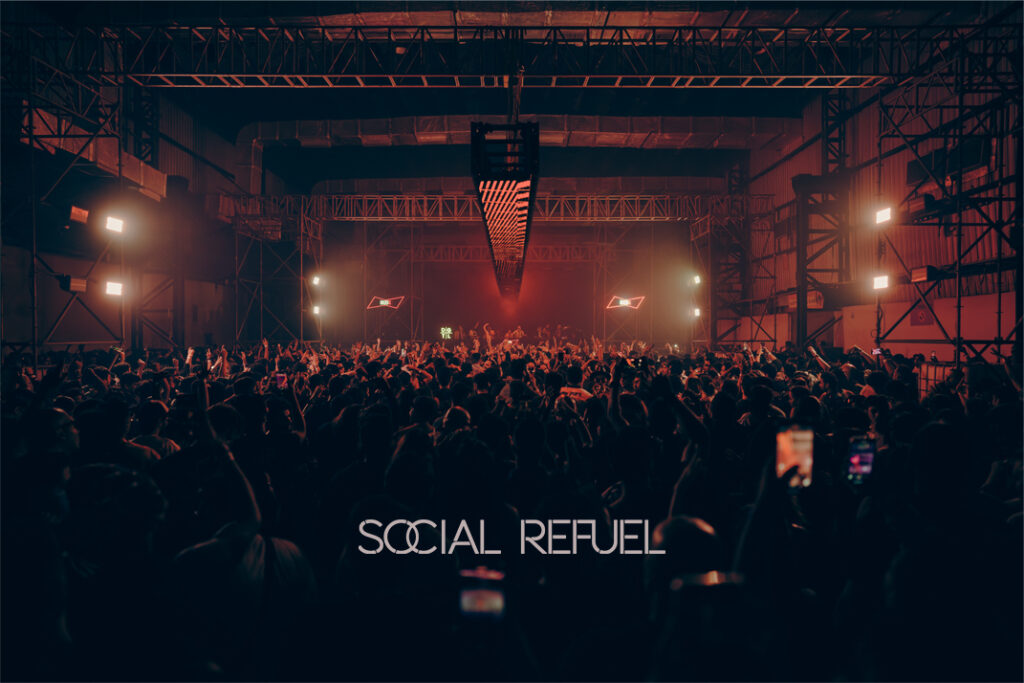
Examples include festivals, concerts, theater performances, art exhibitions, and cultural festivals.
4. Sports Events: The Thrill of Competition
Sports events bring together athletes, teams, and fans to:
- Compete and showcase skills
- Build community and camaraderie
- Promote physical activity and health
Examples include marathons, tournaments, championships, Olympics, and sports conferences.
5. Educational Events: Empowering Knowledge and Skills
Educational events aim to inform, educate, and train individuals on various subjects, skills, and industries, including:
- Conferences
- Workshops
- Seminars
- Trade shows
- Career fairs
These events foster personal and professional growth, innovation, and entrepreneurship.
6. Entertainment Events: The Art of Leisure
Entertainment events provide leisure activities, amusement, and enjoyment, including:
- Concerts
- Comedy shows
- Award shows
- Film festivals
- Gaming events
These events offer a much-needed respite from daily life, promoting relaxation and enjoyment.
7. Virtual Events: The Digital Revolution
Virtual events take place online, connecting people remotely through digital platforms, including:
- Webinars
- Online conferences
- Virtual trade shows
- Social media events
- Online workshops
These events offer increased accessibility, flexibility, and convenience, revolutionizing the way we connect and interact.
Conclusion
Events are a vital part of our lives, offering a wide range of benefits, from personal growth and networking to entertainment and leisure. By understanding the diverse types of events and their objectives, we can harness their power to create meaningful connections, foster creativity, and drive positive change. Whether you’re an event planner, attendee, or sponsor, recognizing the complexity and richness of events can elevate your experience and outcomes.